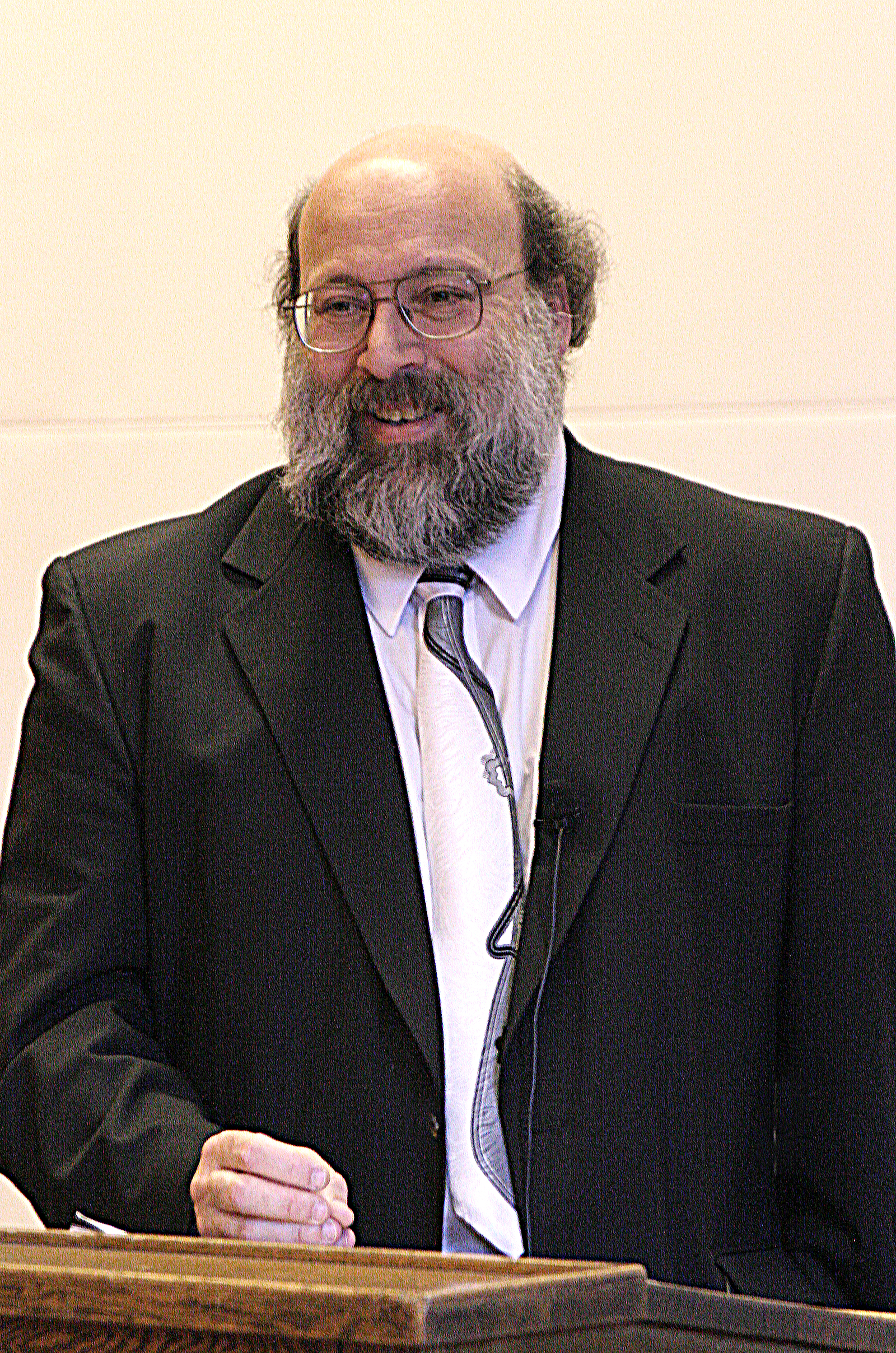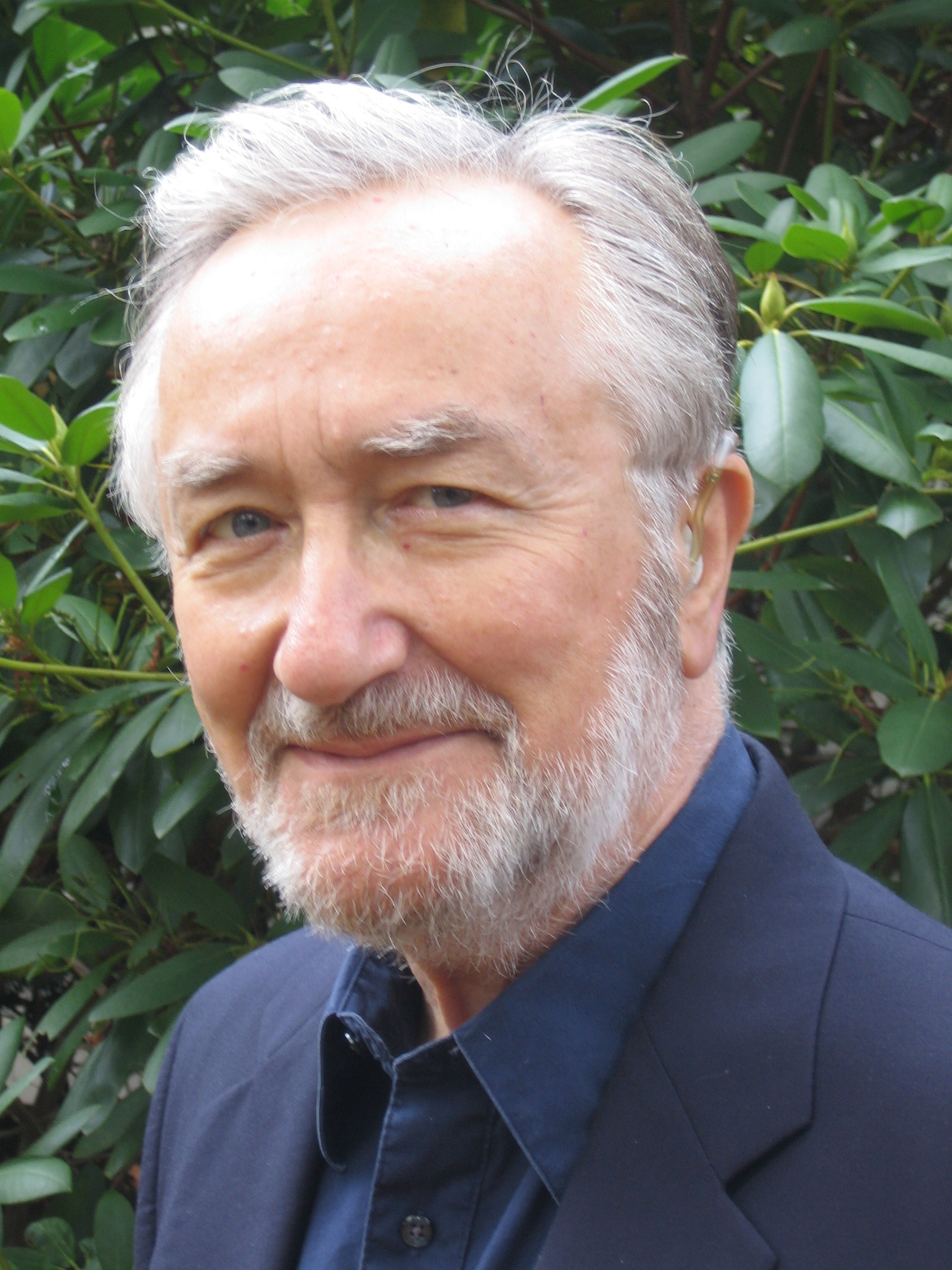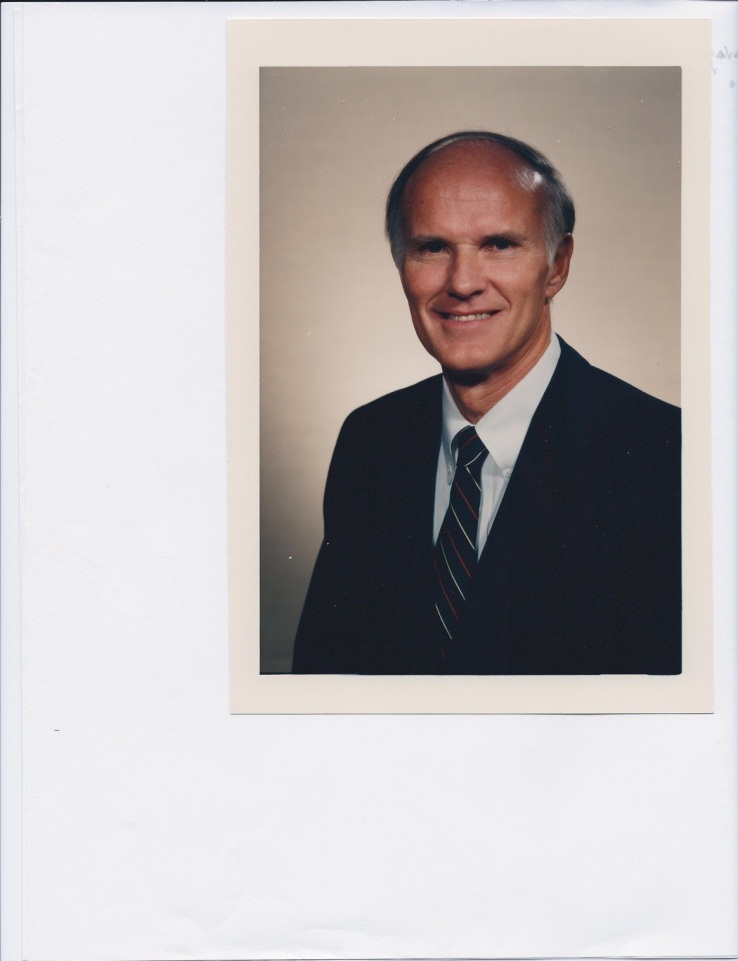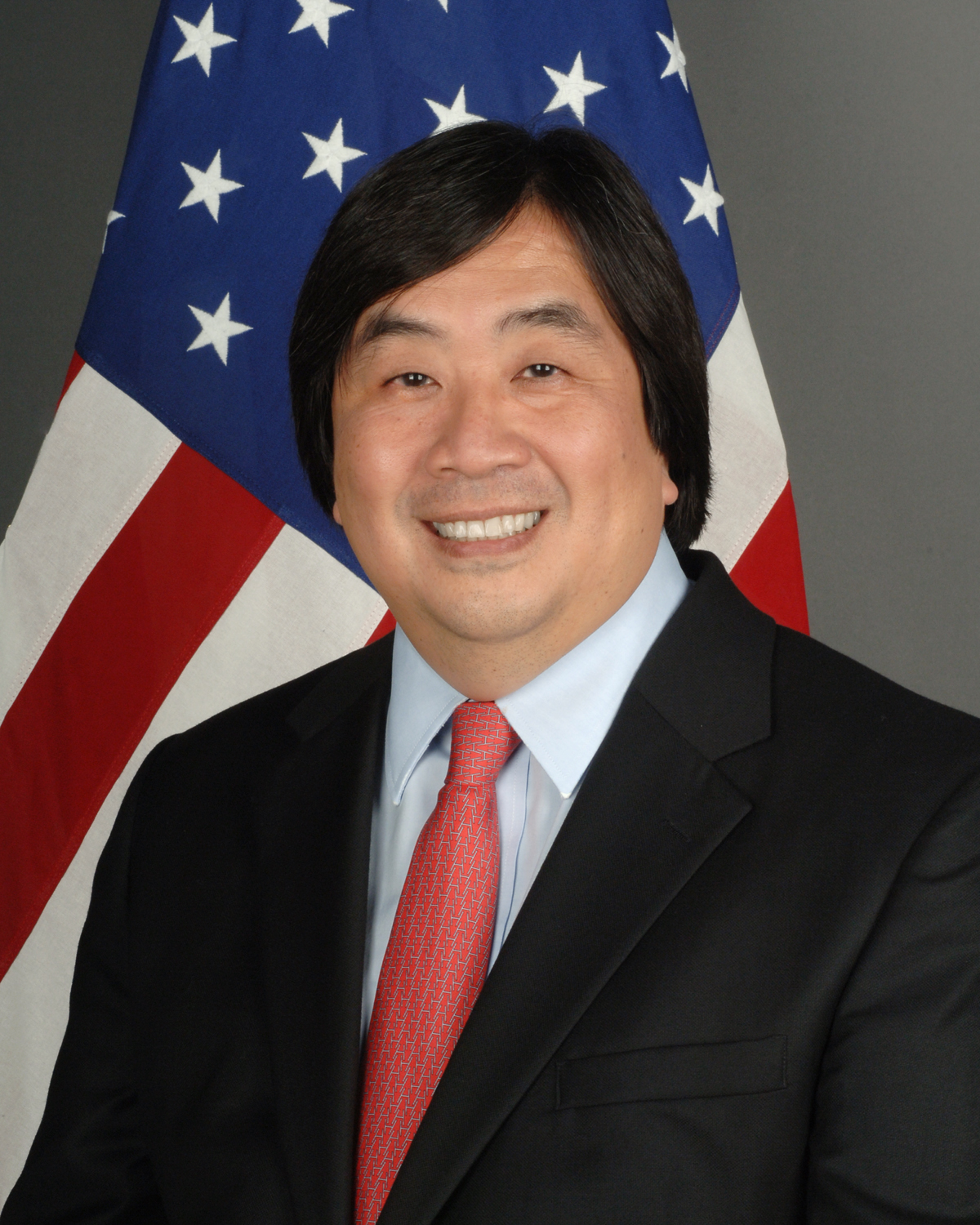
Harry Brod
Professor of Philosophy and Humanities, University of Northern Iowa
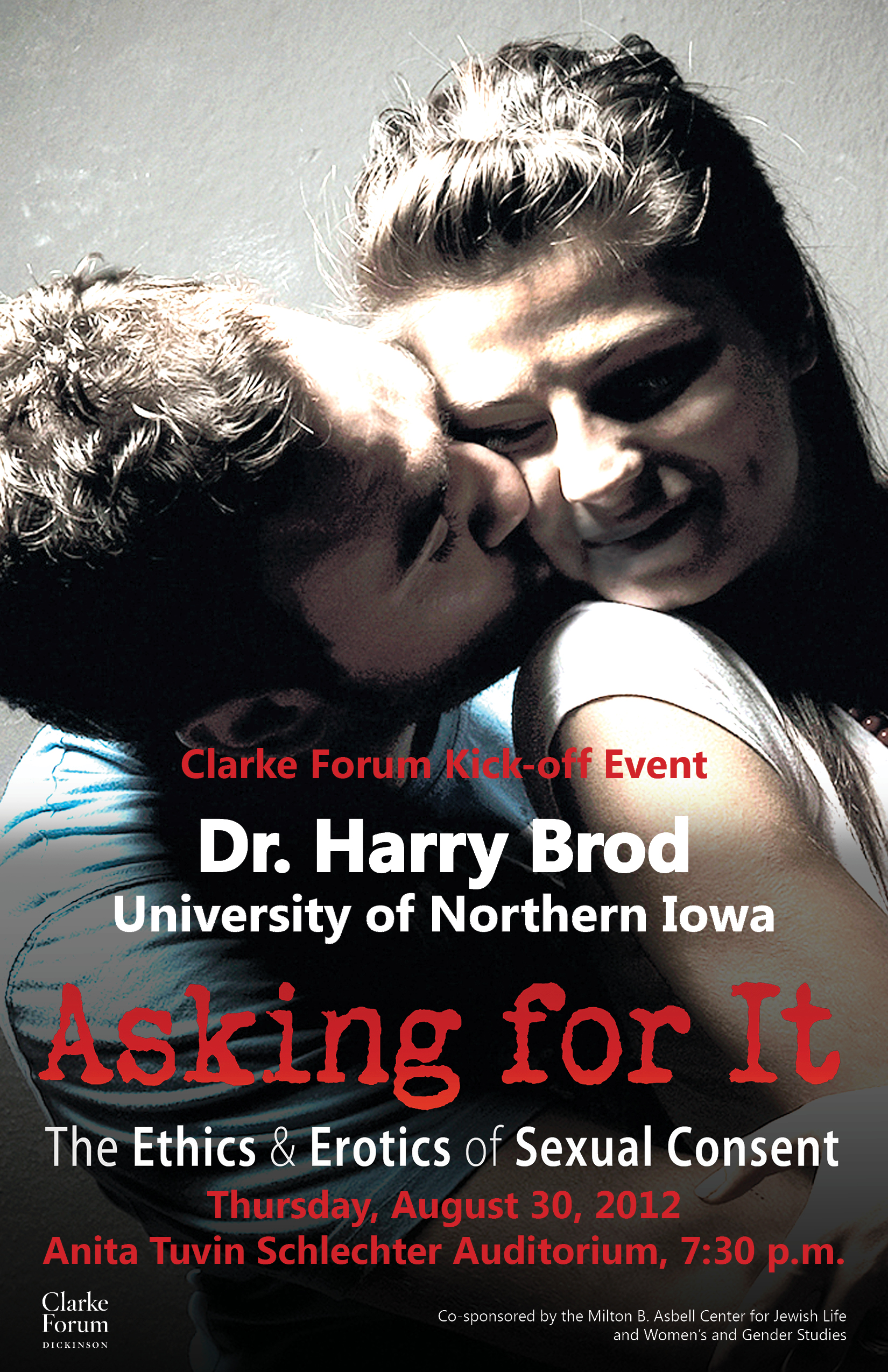
Asking for It: The Ethics & Erotics of Sexual Consent
Thursday, August 30, 2012
Anita Tuvin Schlechter Auditorium, 7:30 p.m.
In a nonthreatening, non-hectoring discussion that ranges from the meanings of “yes” and “no,” to the indeterminacy of silence. to the way alcohol affects our ethical responsibilities, Brod challenges young people to envision a model of sexual interaction that is most erotic precisely when it is most thoughtful and empathetic.
This event is sponsored by the Clarke Forum for Contemporary Issues and co-sponsored by the Milton B. Asbell Center for Jewish Life and Women’s and Gender Studies.