
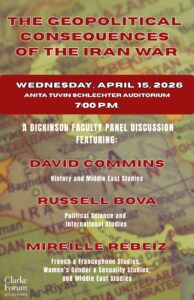
 Anita Tuvin Schlechter Auditorium – 7 p.m.
This event is in-person only. It will not be livestreamed nor recorded for future viewing.
The Geopolitical Consequences of the Iran War
A Dickinson College Faculty Panel Discussion
Russell Bova – Political Science & International Studies
David Commins – History & Middle East Studies
Mireille Rebeiz – Middle East Studies, French & Francophone Studies and Women’s, Gender & Sexuality Studies
On February 28, 2026, the United States and Israel launched Operation Epic Fury, marking a significant escalation in their conflict with Iran and intensifying instability across the Middle East. Since then, the Strait of Hormuz has emerged as a central site of geopolitical contention and a critical factor in negotiations. As one of the world’s most vital energy corridors, disruptions to this waterway reverberate through global markets and supply chains, raising urgent questions about the role of energy security in shaping contemporary international relations.
At the same time, the conflict has generated profound humanitarian and public health concerns. Attacks on critical infrastructure, including desalination facilities, alongside disruptions to fertilizer and food systems, have heightened the risks of water scarcity and food insecurity across the region and beyond. As the conflict evolves, it has drawn in a network of state and non-state actors, including Iranian-backed groups such as Hezbollah and the Houthis, highlighting the role of regional rivalries in shaping the conflict’s trajectory. This panel will aim to address the most immediate and potential consequences of the Iran War, while presenting multiple lenses through which to analyze its impacts.
This program is presented by the Clarke Forum for Contemporary Issues.
Biographies (provided by the panelists)
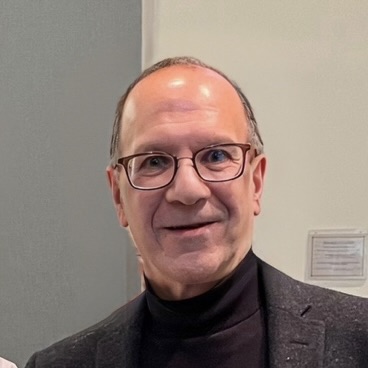 Russell Bova is professor of political science and the J. William Stuart & Helen D. Stuart ’32 Chair in International Studies. He is the author of How the World Works: A Brief Survey of International Relations, editor of Russia and Western Civilization: Cultural and Historical Encounters, and the author of numerous articles and chapters on Russian politics. His teaching includes courses on International Relations, International Political Economy, and Ethics and International Security.
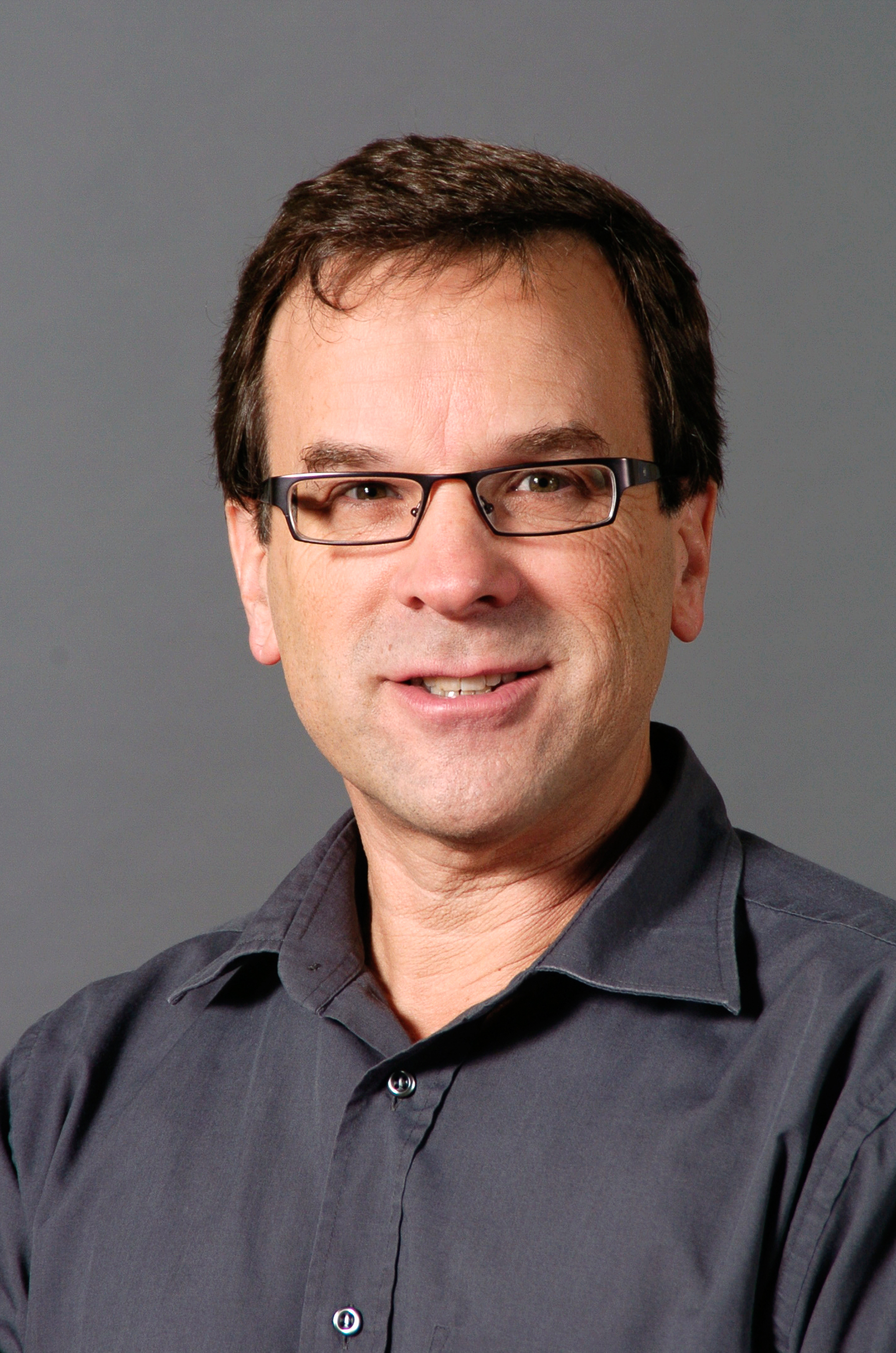 David Commins is professor of history and the Benjamin Rush Chair in the Liberal Arts and Sciences. His teaching interests are in modern Middle Eastern history with an emphasis on Islamic thought and political movements. His most recent book is Saudi Arabia: A Modern History. His other books are The Mecca Uprising: An Insider’s Account of Salafism and Insurrection in Saudi Arabia, Islam in Saudi Arabia, The Gulf States: A Modern History, The Wahhabi Mission and Saudi Arabia, Historical Dictionary of Syria, and Islamic Reform.
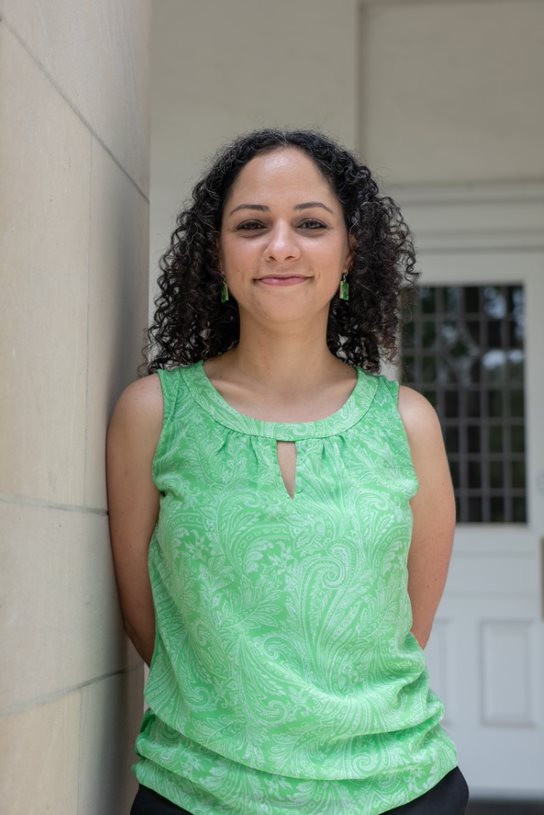 Mireille Rebeiz is chair of Middle East studies and associate professor of Francophone studies and women’s, gender, & sexuality studies. Rebeiz received her first doctorate (PhD) in Francophone studies from Florida State University and her second doctorate (SJD) in international law from Penn State Dickinson Law. Rebeiz also hold a master’s degree international law and human rights from Université de Rouen in France, and a bachelor’s degree in law from Université Saint-Joseph in Lebanon. Rebeiz’s teaching and research are interdisciplinary and focus on the intersectionality of law, gender, sexuality, oral history, and trauma in the context of armed conflicts with a focus on the Middle East and North Africa. She has written and successfully published monographs, peer-reviewed essays in French and English, and editorials in national and international presses. Rebeiz’s second book Hezbollah in International Law appeared with Edinburgh University Press (2026). It examines Hezbollah’s legal status as a State or non-State actor in armed conflict (with Israel and in Syria). It also studies Hezbollah’s unlawful activities in Lebanon since 1982 and State responsibility. Her first book, Gendering Civil War. Francophone Women’s Writing in Lebanon, for which she earned the AAUW American Fellowship, appeared with Edinburgh University Press in 2022. Nominated for the John Leonard Prize, this book examines French-language narratives published between the 1970s and the present day by Lebanese women authors writing on the Lebanese civil war of 1975-1991. Her most recent research project focuses on the Beirut barracks bombing of 1983 that killed 241 American servicemembers and 58 French parachutists. In this project, she explores gaps in Lebanese, French, and American histories and write veterans’ oral stories. Rebeiz also has a blog https://blogs.dickinson.edu/rebeizm/.