
Anita Tuvin Schlechter Auditorium, 7 p.m.
The World As We Would Have It Be: Collective Thriving in the Timeplace of Collapse
Norma Kawelokū Wong (Collective Acceleration), Native Hawaiian and Hakka Writer/Teacher, 86th Generation Zen Master, and Political Strategist
David L. McMahan, the Charles A. Dana Professor of Religious Studies at Franklin & Marshall College in Pennsylvania
“We know the story of the collapse. We have much less imagination of the timeplace of the other side. Thus, the far horizon story should always take place beyond the apocalyptic time when everything completely fell apart and the skies were dark for so long no one knew lightness nor blueness. It is there and then we need to practice into.” –Norma Kawelokū Wong
We are living at a moment of rapid systemic breakdown in which chaos dominates our present condition and directs our future. Instability is no longer a failure of power but its primary technique, governing through exhaustion, fear, and confusion. Against this unpredictable, disorienting, and exhaustive background, who are we, who do we evolve to become, and how do we show up in this time of collapse? How do we relate to one another and what collectives do we build? Lastly, how do we interdependently grow and lead in times of uncertainty? In this conversation between Zen Master Norma Kawelokū Wong (Collective Acceleration) and Charles A. Dana Professor David L. McMahan (Franklin and Marshall College), we will examine how we move forward in togetherness and analyze the collective potential of our humanity. Their conversation will unwind where we’ve been and imagine where we are going, individually and collectively, by engaging Wong’s much-acclaimed publications Who We Are Becoming Matters: The Courage, Wisdom, and Aloha We Need in a Timeplace of Collapse (2026) and When No Thing Works: A Zen and Indigenous Perspective on Resilience, Shared Purpose, and Leadership in the Timeplace of Collapse (2024). Their discussion will center on Zen and Indigenous wisdom, teachings, storytelling, strategy, and practice to help us leap beyond this fraught societal moment.
This program is presented by the Clarke Forum for Contemporary Issues and co-sponsored by the Department of Religion. It is part of the Clarke Forum’s Leadership in an Age of Uncertainty Series.
Biographies (provided by the speakers)
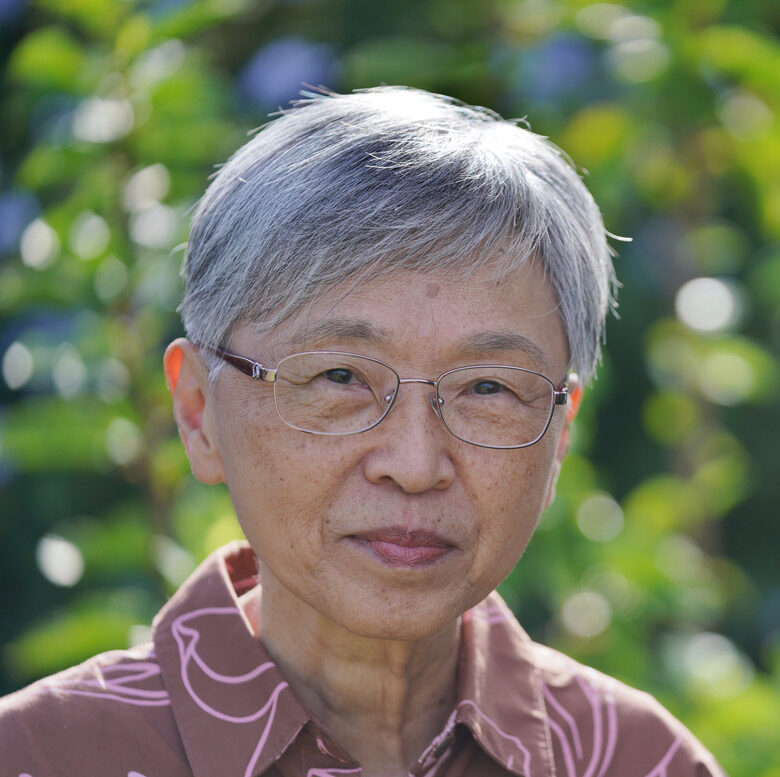 Norma Ryūkō Kawelokū Wong Roshi is an emerging kupuna (elder) living in the land of her birth, Hawai‘i. She is a thought partner, teacher, writer, strategist, former policymaker, and an 86th generation Zen Master of the Rinzai Zen line. She was an advisor and staff to former Governor John Waihe‘e, with the Native Hawaiian and federal issues portfolios. In addition to spiritual teaching, Norma has spent many years in the applied space – the direct application of Indigenous and Zen ways, values, and practices to living and transformational change critical to our times. She is the author of When No Thing Works—A Zen and Indigenous Perspective on Resilience, Shared Purpose, and Leadership in the Timeplace of Collapse, and Who We Are Becoming Matters – The Courage, Wisdom, and Aloha We Need in a Timeplace of Collapse. For more information, please visit www.normawong.com .
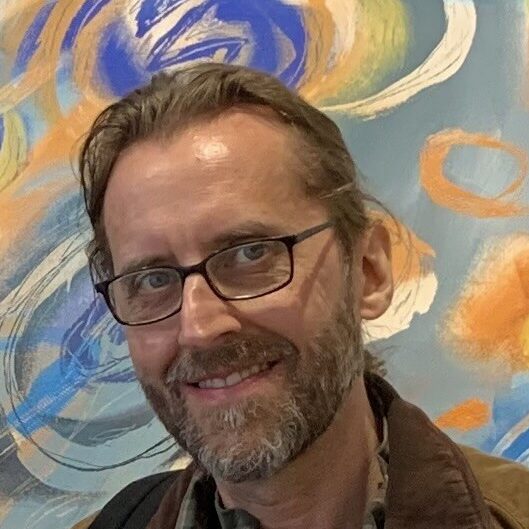 David L. McMahan is the Charles A. Dana Professor of Religious Studies at Franklin & Marshall College in Pennsylvania. He is the author of Rethinking Meditation: Buddhist Meditative Practices in Ancient and Modern Worlds (Oxford University Press, 2023), The Making of Buddhist Modernism (Oxford University Press, 2008), Empty Vision: Metaphor and Visionary Imagery in Mahāyāna Buddhism (Routledge Curzon, 2002), and numerous articles on Mahāyāna Buddhism in South Asia and Buddhism in the modern world. He is also the co-editor of Buddhism, Meditation and Science (Oxford University Press, 2017), editor of Buddhism in the Modern World (Routledge 2012). He has written on Indian Buddhist literature, visual metaphors and practice, and the early history of the Mahāyāna movement in India. More recently, his work has focused on the interface of Buddhism and modernity, including its interactions with science, psychology, modernist literature, romanticism, and transcendentalism. His most recent work addresses the various ways that Buddhist and Buddhist-derived meditation are understood and practiced in different cultural and historical contexts, ancient and modern. He has practiced in Zen and other Buddhist meditative traditions throughout his life.